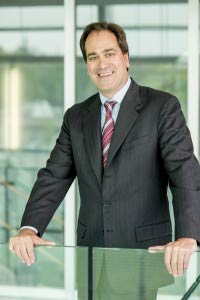
The Gold Medal is The Institute's highest award. It is given annually
to a person who has stimulated activities of service to the science of
chemistry or the profession of chemist or chemical engineer in the United
States of America. In recognition of their achievements, Gold Medallists
are given Life Fellowship in The Institute.
First presented by the AIC in 1926, the Gold Medal is the AIC’s highest award. It recognizes service to the science of chemistry and to the profession of chemistry or chemical engineering in the United States. Previous winners include Nobel laureates Glenn T. Seaborg and Herbert C. Brown, as well as other renowned researchers and scientists representing the many facets of the world of chemistry. Recent medalists include Peter J. Stang, Henry F. Schaefer, E. Gerald Meyer, Stephen J. Lippard, Chad Mirkin, Jacqueline Barton, and Ronald Breslow.
|
|
The 2026 AIC Gold Medal will be presented to Dr. Adriaan "Ad" Bax on Setember 14, 2026.
|
 |
| Dr. Timothy M. Swager |
| John D. MacArthur Professor of Chemistry |
| American Chemical Society Cope Award |
| Department of Chemistry |
| Massachusetts Institute of Technology |
|
|
|
| The American Institute of
Chemists: Founded in 1923, The AIC advances the chemical
sciences by establishing high professional standards of practice
and emphasizing the professional, ethical, economic, and social
status of its members for the benefit of society as a whole.
The AIC engages in a broad range of programs for professional
enhancement through the prestigious Fellow membership category,
an awards program, certification programs, publication of the refereed journal The Chemist, and meetings. |
| |
First presented by the AIC in 1926, the Gold Medal is the AIC’s highest award. It recognizes service to the science of chemistry and to the profession of chemistry or chemical engineering in the United States. Previous winners include Nobel laureates Glenn T. Seaborg and Herbert C. Brown, as well as other renowned researchers and scientists representing the many facets of the world of chemistry. Recent medalists include Peter J. Stang, Henry F. Schaefer, E. Gerald Meyer, Stephen J. Lippard, Chad Mirkin, Jacqueline Barton, and Ronald Breslow.
|
|
The 2025 AIC Gold Medal will be presented to Dr. Timothy M. Swager on May 7, 2025.
|
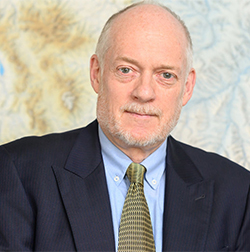 |
| Dr. Timothy M. Swager |
| John D. MacArthur Professor of Chemistry |
| American Chemical Society Cope Award |
| Department of Chemistry |
| Massachusetts Institute of Technology |
|
|
|
| The American Institute of
Chemists: Founded in 1923, The AIC advances the chemical
sciences by establishing high professional standards of practice
and emphasizing the professional, ethical, economic, and social
status of its members for the benefit of society as a whole.
The AIC engages in a broad range of programs for professional
enhancement through the prestigious Fellow membership category,
an awards program, certification programs, publication of the refereed journal The Chemist, and meetings. |
| |
First presented by the AIC in 1926, the Gold Medal is the AIC’s highest award. It recognizes service to the science of chemistry and to the profession of chemistry or chemical engineering in the United States. Previous winners include Nobel laureates Glenn T. Seaborg and Herbert C. Brown, as well as other renowned researchers and scientists representing the many facets of the world of chemistry. Recent medalists include Peter J. Stang, Henry F. Schaefer, E. Gerald Meyer, Stephen J. Lippard, Chad Mirkin, Jacqueline Barton, and Ronald Breslow.
|
|
The Science History Institute hosted, in person, The Science History Institute Awards on Wednesday, May 8, 2024. The 2024 AIC Gold Medal was presented to Dr. Peter G. Schultz.
|
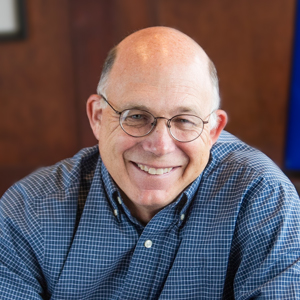 |
| Dr. Peter G. Schultz |
| President and CEO |
| L.S. “Sam” Skaggs Presidential Chair |
| Department of Chemistry |
| Scripps Research |
|
|
|
| The American Institute of
Chemists: Founded in 1923, The AIC advances the chemical
sciences by establishing high professional standards of practice
and emphasizing the professional, ethical, economic, and social
status of its members for the benefit of society as a whole.
The AIC engages in a broad range of programs for professional
enhancement through the prestigious Fellow membership category,
an awards program, certification programs, publication of the refereed journal The Chemist, and meetings. |
| |
First presented by the AIC in 1926, the Gold Medal is the AIC’s highest award. It recognizes service to the science of chemistry and to the profession of chemistry or chemical engineering in the United States. Previous winners include Nobel laureates Glenn T. Seaborg and Herbert C. Brown, as well as other renowned researchers and scientists representing the many facets of the world of chemistry. Recent medalists include Peter J. Stang, Henry F. Schaefer, E. Gerald Meyer, Stephen J. Lippard, Chad Mirkin, Jacqueline Barton, and Ronald Breslow.
|
|
The Science History Institute hosted, in person, Curious Histories on Saturday, June 10, 2023. The 2023 AIC Gold Medal was presented to Dr. K. Barry Sharpless.
|
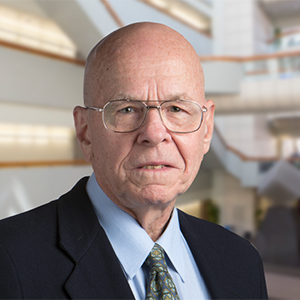 |
| Dr. K. Barry Sharpless |
| W.M. Keck Professor of Chemistry |
| Professor |
| Department of Chemistry |
| Scripps Research |
|
|
|
| The American Institute of
Chemists: Founded in 1923, The AIC advances the chemical
sciences by establishing high professional standards of practice
and emphasizing the professional, ethical, economic, and social
status of its members for the benefit of society as a whole.
The AIC engages in a broad range of programs for professional
enhancement through the prestigious Fellow membership category,
an awards program, certification programs, publication of the refereed journal The Chemist, and meetings. |
| |
First presented by the AIC in 1926, the Gold Medal is the AIC’s highest award. It recognizes service to the science of chemistry and to the profession of chemistry or chemical engineering in the United States. Previous winners include Nobel laureates Glenn T. Seaborg and Herbert C. Brown, as well as other renowned researchers and scientists representing the many facets of the world of chemistry. Recent medalists include Peter J. Stang, Henry F. Schaefer, E. Gerald Meyer, Stephen J. Lippard, Chad Mirkin, Jacqueline Barton, and Ronald Breslow. |
|
The Science History Institute will host a virtual Heritage Day on Wednesday, May 11, 2022 via Zoom. The 2022 AIC Gold Medal will be presented to Dr. Brian Hoffman
|
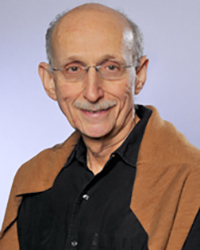 |
| Dr. Brian M. Hoffman |
| Morrison Professor of Chemistry |
| Chemistry of Life Processes Institute (CLP) |
| Weinberg College of Arts & Sciences |
| Northwestern University |
|
|
|
| The American Institute of
Chemists: Founded in 1923, The AIC advances the chemical
sciences by establishing high professional standards of practice
and emphasizing the professional, ethical, economic, and social
status of its members for the benefit of society as a whole.
The AIC engages in a broad range of programs for professional
enhancement through the prestigious Fellow membership category,
an awards program, certification programs, publication of the refereed journal The Chemist, and meetings. |
| |
|
First presented by the AIC in 1926, the Gold Medal is the AIC’s highest award. It recognizes service to the science of chemistry and to the profession of chemistry or chemical engineering in the United States. Previous winners include Nobel laureates Glenn T. Seaborg and Herbert C. Brown, as well as other renowned researchers and scientists representing the many facets of the world of chemistry. Recent medalists include Henry F. Schaefer, E. Gerald Meyer, Stephen J. Lippard, Chad Mirkin, Elizabeth Blackburn, Jacqueline Barton, and George Whitesides.
|
|
The Science History Institute hosted a virtual Heritage Day on Wednesday, May 5, 2021 via Zoom. The 2021 AIC Gold Medal was presented to Dr. Peter Stang.
|
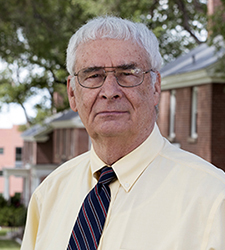 |
| Dr. Peter J. Stang |
| Distinguished Professor of Organic Chemistry |
| David P. Gardner Presidential Chair |
| University of Utah |
|
|
|
| The American Institute of
Chemists: Founded in 1923, The AIC advances the chemical
sciences by establishing high professional standards of practice
and emphasizing the professional, ethical, economic, and social
status of its members for the benefit of society as a whole.
The AIC engages in a broad range of programs for professional
enhancement through the prestigious Fellow membership category,
an awards program, certification programs, publication of the refereed journal The Chemist, and meetings. |
| |
|
First presented by the AIC in 1926, the Gold Medal is the AIC’s highest award. It recognizes service to the science of chemistry and to the profession of chemistry or chemical engineering in the United States. Previous winners include Nobel laureates Glenn T. Seaborg and Herbert C. Brown, as well as other renowned researchers and scientists representing the many facets of the world of chemistry. Recent medalists include Elizabeth Blackburn, Jacqueline Barton, and George Whitesides.
|
|
The Science History Institute hosted Heritage Day hosted Heritage Day on Wednesday, May 8, 2019. The 2019 AIC Gold Medal was presented to Dr. Henry F. Schaefer.
|
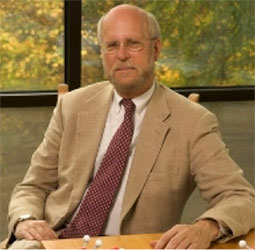 |
| Dr. Henry F. Schaefer, III, FAIC |
| Graham Perdue Professor of Chemistry |
| Director of the Center for Computational Quantum Chemistry |
| University of Georgia |
|
|
|
| The American Institute of
Chemists: Founded in 1923, The AIC advances the chemical
sciences by establishing high professional standards of practice
and emphasizing the professional, ethical, economic, and social
status of its members for the benefit of society as a whole.
The AIC engages in a broad range of programs for professional
enhancement through the prestigious Fellow membership category,
an awards program, certification programs, publication of the refereed journal The Chemist, and meetings. |
| |
|
First presented by the AIC in 1926, the Gold Medal is the AIC’s highest award. It recognizes service to the science of chemistry and to the profession of chemistry or chemical engineering in the United States. Previous winners include Nobel laureates Glenn T. Seaborg and Herbert C. Brown, as well as other renowned researchers and scientists representing the many facets of the world of chemistry. Recent medalists include Elizabeth Blackburn, Jacqueline Barton, and George Whitesides.
|
|
The Science History Institute (formerly Chemical Heritage Foundation) will host Heritage Day on Wednesday, May 9, 2018. Included will be the 2018 AIC Gold Medal ceremony recognizing past AIC president and current AIC secretary, Dr. E. Gerald Meyer
|
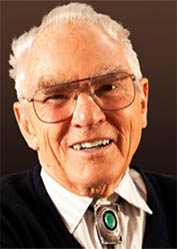 |
| Dr. E. Gerald Meyer |
| Emeritus Professor of Chemistry and Dean of Arts and Sciences at the University of Wyoming |
| AIC Secretary, Past AIC President |
|
|
|
| The American Institute of
Chemists: Founded in 1923, The AIC advances the chemical
sciences by establishing high professional standards of practice
and emphasizing the professional, ethical, economic, and social
status of its members for the benefit of society as a whole.
The AIC engages in a broad range of programs for professional
enhancement through the prestigious Fellow membership category,
an awards program, certification programs, publication of the refereed journal The Chemist, and meetings. |
| |
|
First presented by the AIC in 1926, the Gold Medal is the AIC’s highest award. It recognizes service to the science of chemistry and to the profession of chemistry or chemical engineering in the United States. Previous winners include Nobel laureates Glenn T. Seaborg and Herbert C. Brown, as well as other renowned researchers and scientists representing the many facets of the world of chemistry. Recent medalists include Elizabeth Blackburn, Jacqueline Barton, and George Whitesides.
|
|
The 2017 Gold Medal Award was presented to Dr. Stephen J. Lippard at the Chemical Heritage Foudation's Heritage Day on Monday, May 10, 2017.
|
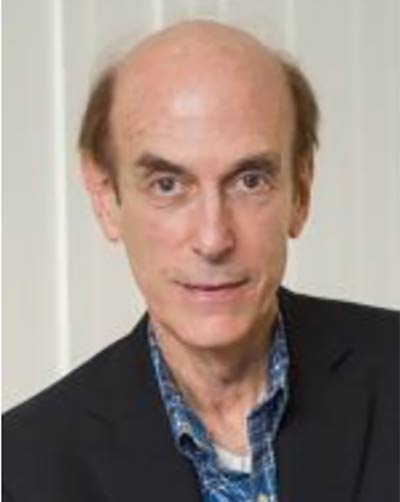 |
| Dr. Stephen J. Lippard |
|
| |
|
| The American Institute of
Chemists: Founded in 1923, The AIC advances the chemical
sciences by establishing high professional standards of practice
and emphasizing the professional, ethical, economic, and social
status of its members for the benefit of society as a whole.
The AIC engages in a broad range of programs for professional
enhancement through the prestigious Fellow membership category,
an awards program, certification programs, publication of the refereed journal The Chemist, and meetings. |
| |
|